


Toothache is a common dental problem, but it should not always be ignored. While mild and temporary discomfort may sometimes disappear, persistent or severe tooth pain can indicate an underlying dental problem that requires professional care.
Knowing when to see a dentist can help prevent a minor issue from becoming more serious.
What Can Cause a Toothache?
Tooth pain can have several causes. Common ones include:
- Tooth decay
- Dental infection
- A cracked or damaged tooth
- Gum disease
- Tooth sensitivity
- A damaged or loose dental filling
- Problems with a dental crown
- Dental trauma
The intensity of the pain does not always indicate how serious the problem is. A dental examination is the best way to determine the cause.
When Should You See a Dentist for Toothache?
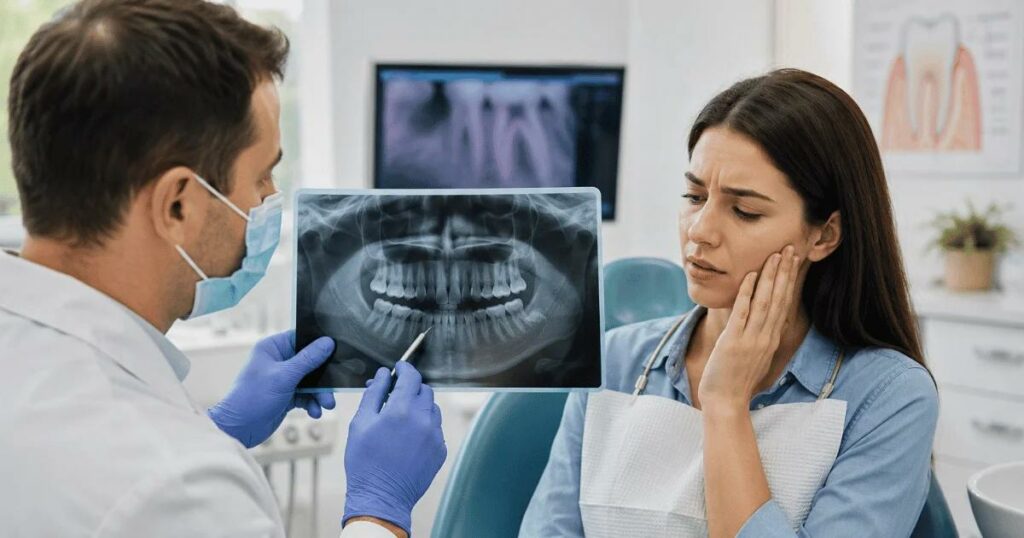
You should consider making a dental appointment if your toothache:
- Lasts more than a day or two
- Keeps coming back
- Becomes increasingly painful
- Makes it difficult to eat or chew
- Causes sensitivity to hot or cold
- Is accompanied by swollen or bleeding gums
- Causes pain when biting
- Is associated with a damaged or broken tooth
Persistent tooth pain should not be treated only with painkillers. Medication may temporarily reduce discomfort without addressing its underlying cause.
Toothache and Dental Infection
A toothache can sometimes be a sign of a dental infection. Symptoms may include significant pain, swelling, sensitivity, a bad taste in the mouth or fever.
If swelling develops around the face or jaw, or if you have difficulty swallowing or breathing, seek urgent medical attention.
Can Toothache Go Away on Its Own?

Sometimes dental pain can temporarily disappear. However, this does not necessarily mean that the underlying problem has resolved.
For example, pain caused by tooth decay or an infection may come and go before becoming more severe. A dental examination can identify the problem early and help preserve the natural tooth whenever possible.
What Can You Do Until Your Dental Appointment?
While waiting for an appointment, you can maintain gentle oral hygiene and avoid foods or drinks that trigger the pain.
Depending on your health situation, an over-the-counter pain reliever may help temporarily. Always follow the product instructions and ask a healthcare professional or pharmacist if you are unsure whether a medication is appropriate for you.
Avoid placing aspirin directly on the tooth or gum, as this can irritate the tissues.
Why Is Early Dental Treatment Important?
Early treatment can help prevent dental problems from progressing. Depending on the cause of the toothache, treatment may involve a filling, root canal treatment, gum treatment, crown or another appropriate dental procedure.
The goal is to identify the source of the pain and provide treatment suited to the patient’s individual needs.
Toothache Treatment in Tunisia

If you experience persistent tooth pain and are looking for dental care in Tunisia, a professional dental examination is the first step.
At Dr Taboui Dental Practice, each patient is assessed individually to identify the cause of the pain and determine the most appropriate treatment.