

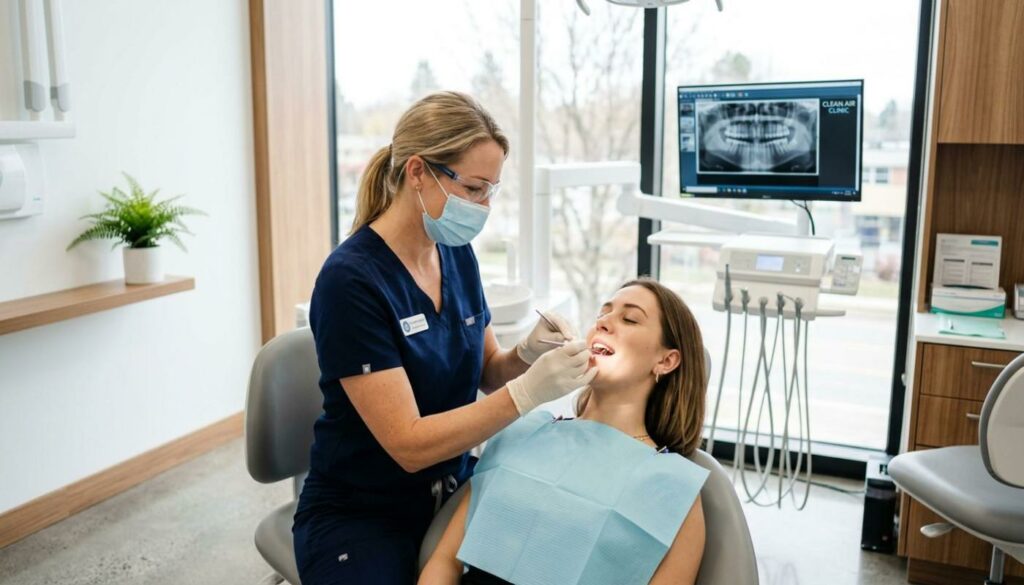
Choosing the right dentist is an important step toward maintaining healthy teeth and gums. Whether you need a routine dental check-up, treatment for tooth decay, root canal treatment, or a more specific dental procedure, finding a qualified professional can help you receive appropriate care and protect your oral health in the long term.
In Tunis, patients have access to different dental practices and treatment options. However, the right choice should depend on more than location or price. The dentist’s qualifications, experience, approach to patient care, and ability to explain treatment options are all important factors to consider.
1. Check the Dentist’s Qualifications and Areas of Expertise
Before booking an appointment, take time to learn about the dentist’s professional background and areas of expertise. Different dental treatments require different levels of knowledge and clinical experience.
For example, general dental care may include examinations, preventive advice, and the treatment of cavities. Other conditions, such as damage to the dental pulp or infections inside a tooth, may require specific expertise in endodontics.
If you are looking for a dentist in Tunis, check whether the practitioner’s training and experience correspond to your needs. Choosing a professional whose expertise matches the treatment you require can help ensure that your condition is properly assessed and managed.
2. Choose a Dentist Who Explains Your Treatment Clearly

Good communication is an essential part of dental care. Before beginning a procedure, you should understand the nature of your dental problem, the available treatment options, and the expected next steps.
A dentist should take the time to answer your questions and explain the advantages, limitations, and potential risks of the recommended treatment. You should also be able to discuss any concerns you may have, particularly if you experience dental anxiety or are worried about pain.
Clear explanations help you make informed decisions and feel more comfortable throughout your treatment.
3. Consider the Range of Dental Treatments Available
Your dental needs may change over time. Choosing a practice that can assess different oral health concerns can make it easier to plan appropriate care.
Depending on your condition, dental treatment may include:
Preventive care: Routine examinations and advice on maintaining healthy teeth and gums.
Conservative dentistry: Treatments designed to preserve natural tooth structure, including appropriate dental fillings.
Endodontics: Treatment of problems affecting the dental pulp and root canal system.
Restorative dentistry: Procedures that restore the function and appearance of damaged teeth.
Cosmetic dental treatments: Options that may improve the appearance of your smile when clinically appropriate.
Not every patient requires the same procedures. A proper examination is necessary to determine which treatments are suitable for your individual situation.
4. Look for a Clean and Well-Organized Dental Practice
Hygiene and infection prevention are fundamental considerations when choosing a dentist. The practice should follow appropriate sterilization procedures, use properly maintained equipment, and apply measures designed to reduce the risk of cross-infection.
You can also consider the overall organization of the practice. Clear appointment arrangements, accessible information, and a professional approach to patient care can contribute to a more reassuring experience.
Do not hesitate to ask questions about hygiene procedures or what to expect during your appointment.
5. Compare Treatment Costs and Ask for a Clear Estimate
The cost of dental treatment in Tunis can vary depending on the complexity of the condition, the procedure required, and the materials used.
Rather than choosing a dentist based exclusively on the lowest price, ask for an explanation of the proposed treatment and its estimated cost. If several options are clinically appropriate, the dentist can explain their differences and help you understand the implications of each one.
Before starting treatment, make sure you understand what the estimate includes and whether additional appointments or procedures may be necessary. A clear discussion about costs helps you plan your care with greater confidence.
6. Read Patient Reviews and Consider Accessibility
Patient reviews can provide useful information about communication, appointment management, and the overall experience at a dental practice. However, online reviews should be considered alongside professional qualifications and the quality of the information provided by the dentist.
Accessibility is another practical factor. Consider the location of the practice in Tunis, appointment availability, and whether follow-up visits will be convenient for you.
For treatments that require several appointments, such as certain endodontic procedures, being able to attend scheduled visits is particularly important.
7. Do Not Ignore Dental Pain or Warning Signs
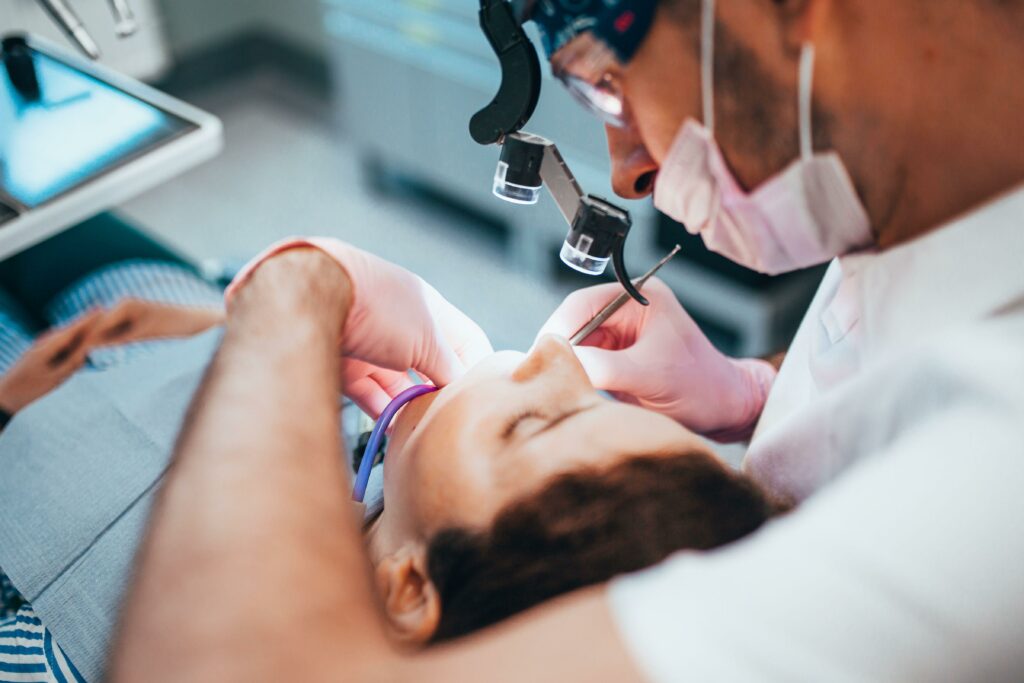
Tooth pain, prolonged sensitivity to hot or cold, pain when biting, or swelling around a tooth can indicate a dental problem that needs professional assessment.
Although these symptoms do not always mean that root canal treatment is necessary, delaying an examination may allow some conditions to worsen. A dentist can evaluate the affected tooth, identify the likely cause, and recommend an appropriate treatment plan.
If you experience facial swelling, fever, or difficulty swallowing or breathing, seek urgent medical or dental care. Difficulty breathing or swallowing requires emergency attention.
Why Choose Cabinet Dentaire Dr Taboui in Tunis?
When looking for a dentist in Tunis, it is important to find a professional who can assess your dental condition and explain the most appropriate treatment options.
Cabinet Dentaire Dr Taboui focuses on conservative dentistry and endodontics. These areas are particularly relevant when the objective is to treat dental problems while preserving natural teeth whenever clinically possible.
Whether you need an assessment for tooth pain, advice about a damaged tooth, or an evaluation for root canal treatment, a dental consultation is the first step toward understanding your options.
The appropriate treatment will depend on a clinical examination and your individual dental needs.
Choosing a dentist requires careful consideration of qualifications, relevant expertise, communication, hygiene standards, treatment costs, and accessibility. Taking the time to evaluate these factors can help you make a more informed decision about your oral health.
If you are looking for a dentist in Tunis, start by identifying your dental needs and arranging a consultation to discuss your concerns. Early assessment, appropriate treatment, and regular dental follow-up can help you maintain a healthy smile.