


Endodontics focuses on diagnosing and treating problems affecting the dental pulp and the tissues surrounding the roots of a tooth. When these tissues become inflamed or infected, specialized treatment may be needed to relieve symptoms and preserve the natural tooth.
Knowing when to consult an endodontic specialist can help you receive appropriate treatment before a dental problem becomes more complicated.
What Does an Endodontic Specialist Treat?
An endodontic specialist focuses on conditions involving the inside of the tooth and its roots.
Common treatments include:
- Root canal treatment
- Treatment of dental pulp infections
- Management of dental trauma
- Diagnosis of persistent tooth pain
- Endodontic retreatment
- Treatment of certain dental abscesses
- Management of complex root canal cases
The objective is generally to treat the source of the problem while preserving the natural tooth whenever possible.
When Should You See an Endodontic Specialist?
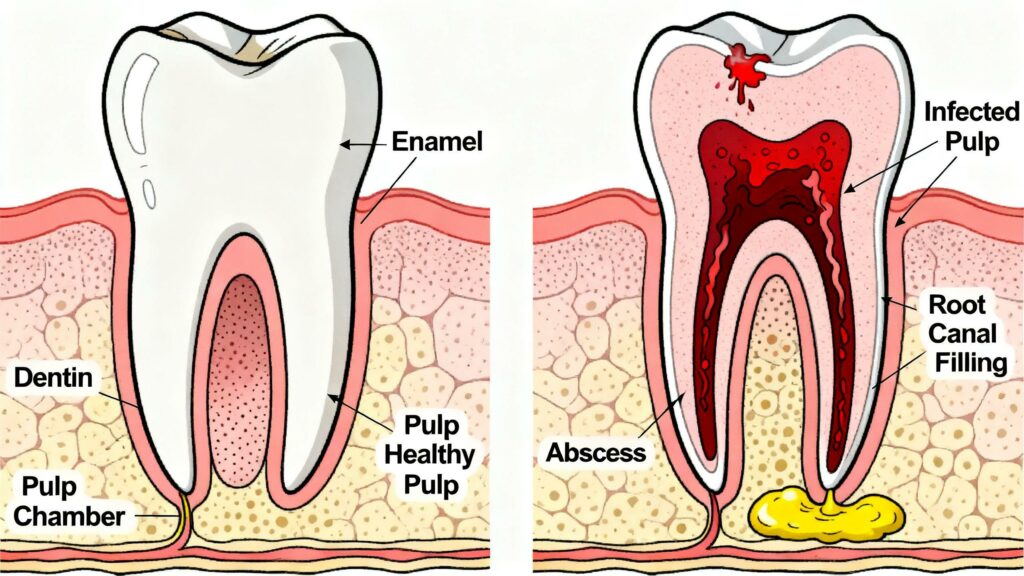
You may need an endodontic assessment if you experience persistent or unusual dental symptoms.
1. Persistent Tooth Pain
Pain that continues for several days or keeps coming back should not be ignored.
Persistent pain can have several causes, including inflammation or infection of the dental pulp. An examination can help identify the underlying problem.
2. Severe Sensitivity to Hot or Cold
Temporary sensitivity can occur for different reasons. However, intense or prolonged sensitivity to hot or cold may indicate a problem affecting the dental pulp.
An endodontic evaluation can determine whether further treatment is necessary.
3. Pain When Biting or Chewing
Pain when biting down can sometimes be associated with inflammation around the root of a tooth, a crack or an infection.
A professional examination and dental imaging may be necessary to determine the cause.
4. Swelling Around a Tooth
Swelling of the gum near a tooth can be a sign of infection.
If swelling is accompanied by pain, tenderness or an unpleasant taste in the mouth, you should seek professional dental care promptly.
5. A Dental Abscess
A dental abscess can develop when bacteria infect the inside of a tooth or surrounding tissues.
Endodontic treatment may be considered when the natural tooth can be preserved.
6. A Tooth That Has Become Darker
A noticeable change in the color of a tooth can sometimes occur following trauma or problems affecting the dental pulp.
An examination can help determine the cause and whether endodontic treatment is appropriate.
7. A Previous Root Canal Has Not Resolved the Problem
Sometimes symptoms can persist after root canal treatment.
In these situations, endodontic retreatment may be considered after a detailed assessment to identify the reason for the persistent problem.
Can You Need Endodontic Treatment Without Pain?
Yes. Not every dental infection causes significant pain.
An infection can sometimes be detected during a routine examination or on a dental X-ray before severe symptoms appear.
This is one reason why regular dental check-ups are important.
What Happens During an Endodontic Consultation?
An endodontic assessment generally begins with a discussion about your symptoms and dental history.
The dentist may then:
- Examine the affected tooth.
- Test its sensitivity and response.
- Check the surrounding gums and tissues.
- Use dental imaging when necessary.
- Assess whether the pulp and root tissues are affected.
- Discuss the appropriate treatment options.
The goal is to establish an accurate diagnosis before treatment is recommended.
Can Endodontics Help Save a Natural Tooth?
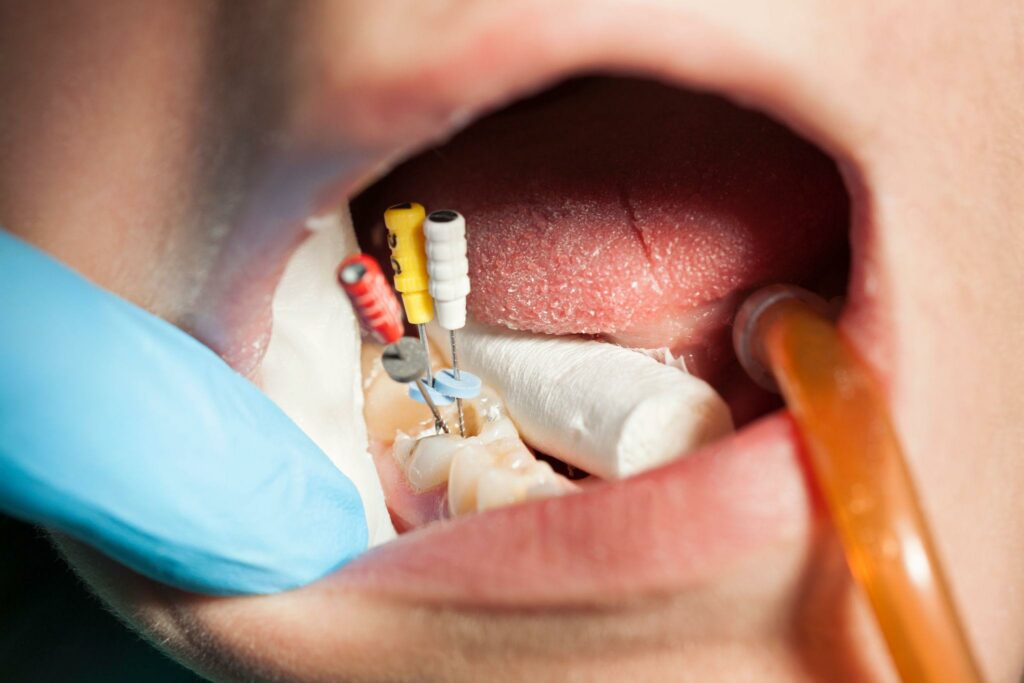
One of the main objectives of endodontics is preserving natural teeth whenever possible.
When the dental pulp is infected or severely inflamed, root canal treatment can remove the affected tissue, clean the root canals and seal the tooth.
Saving the natural tooth can help maintain normal chewing function and avoid extraction when preservation is possible.
Why Choose an Endodontic Specialist?
Some endodontic cases can be more complex than routine dental treatments.
An endodontic specialist can provide focused expertise in diagnosing and treating conditions affecting the dental pulp and root canals.
This can be particularly important when a tooth has unusual root anatomy, previous treatment or persistent symptoms.
Endodontics in Tunisia
If you are experiencing persistent tooth pain, sensitivity, swelling or other symptoms that may involve the inside of a tooth, an endodontic consultation in Tunisia can help determine the cause.
At Dr Taboui, endodontics is a key area of specialization, with treatment focused on accurate diagnosis and preserving natural teeth whenever possible.
International patients can contact the dental practice to discuss their dental needs and arrange an appointment in Tunisia.