


Endodontics is the branch of dentistry focused on the diagnosis and treatment of problems affecting the dental pulp and the tissues surrounding the roots of a tooth. Its main goal is to treat the source of the problem while preserving the natural tooth whenever possible.
For patients experiencing persistent tooth pain or signs of infection, an endodontic evaluation can help determine the appropriate treatment.
What Is Endodontics?
Inside every natural tooth is a soft tissue called the dental pulp, which contains nerves and blood vessels.
When the pulp becomes inflamed or infected because of deep decay, trauma, cracks or repeated dental procedures, endodontic treatment may be necessary.
The most common endodontic procedure is root canal treatment.
When Is Endodontic Treatment Needed?
Endodontic treatment may be recommended when the dental pulp is significantly inflamed or infected.
Common causes include:
- Deep tooth decay
- Dental infection
- A cracked or damaged tooth
- Dental trauma
- Repeated procedures on the same tooth
- Extensive restoration
A professional examination is necessary to determine the cause of the symptoms and whether endodontic treatment is appropriate.
What Are the Signs of a Problem Inside the Tooth?
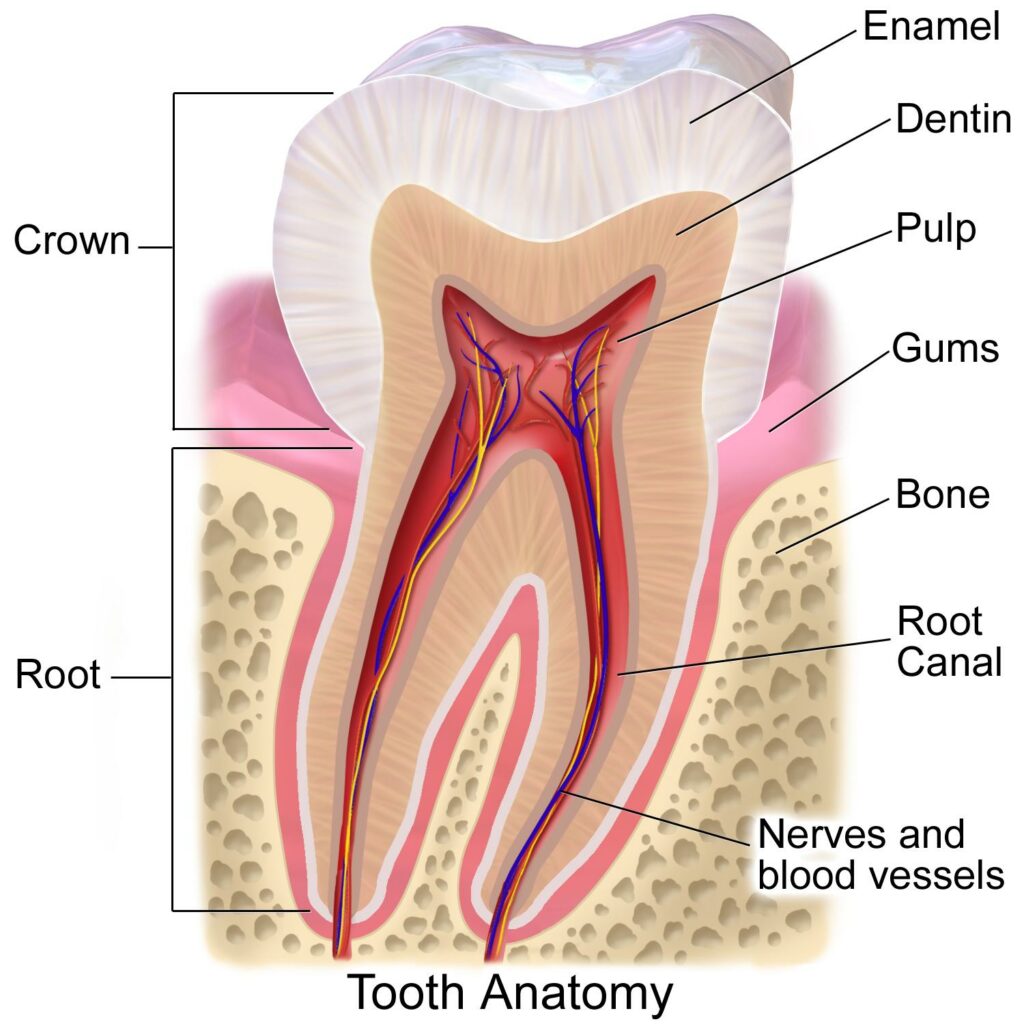
Symptoms can vary from one patient to another. Possible signs include:
- Persistent toothache
- Sensitivity to hot or cold
- Pain when biting or chewing
- Swelling around the tooth
- Tender or swollen gums
- Darkening of a tooth
- An unpleasant taste in the mouth
Sometimes a tooth can have an infection without causing significant pain. This is why regular dental examinations remain important.
How Does Root Canal Treatment Work?
Root canal treatment generally involves several steps.
1. Examination and Diagnosis
The dentist examines the tooth and may use dental imaging to identify the source of the problem.
2. Removing the Infected Pulp
The affected pulp is carefully removed from inside the tooth.
3. Cleaning and Shaping
The root canals are cleaned and prepared to eliminate infected tissue and reduce the risk of further infection.
4. Sealing the Root Canals
Once the canals have been properly cleaned, they are sealed to help prevent bacteria from entering again.
5. Restoring the Tooth
Depending on the condition of the tooth, a filling or dental crown may be recommended to restore its function and protect it.
Can Endodontic Treatment Save a Natural Tooth?
One of the main objectives of endodontics is to preserve the natural tooth whenever possible.
Treating the infected pulp can allow the tooth to remain in place instead of being extracted. The appropriate treatment depends on the condition and structure of the tooth.
Is Root Canal Treatment Painful?
Modern dental techniques and local anesthesia are used to make treatment as comfortable as possible.
Some sensitivity or discomfort may occur after treatment, but persistent or severe pain should be discussed with your dentist.
Why Choose an Endodontic Specialist?
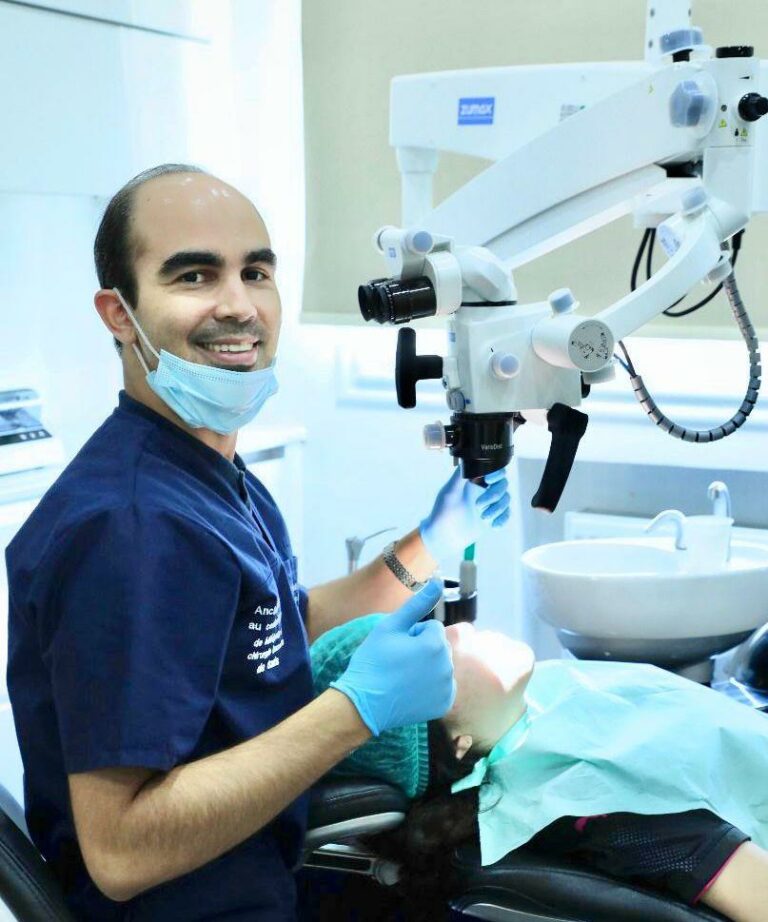
Endodontic cases can sometimes be complex, particularly when a tooth has unusual root anatomy, previous root canal treatment or persistent infection.
Consulting a dentist with expertise in endodontics can help with accurate diagnosis and appropriate treatment planning.
At Dr Taboui, endodontics is one of the areas of specialization, with an approach focused on diagnosing dental problems and preserving natural teeth whenever possible.
When Should You See a Dentist?
Do not wait until dental pain becomes severe. You should arrange a dental examination if you experience persistent tooth pain, sensitivity, swelling or discomfort when chewing.
Early diagnosis can make it possible to treat the problem before it progresses.
Endodontics in Tunisia
Patients looking for endodontic treatment in Tunisia can arrange a consultation to evaluate their dental condition and discuss the appropriate treatment options.
For international patients, it is recommended to contact the dental practice before travelling to discuss their needs and plan the consultation.